How is 'Britishness' represented in this scene in terms of mine-en-scene?
In the 1960's show The Avenger, britishness is represented as very posh which is shown through the carriage that they are sat in and how everything looks very high end and tidy. It is also shown through the clothing that the characters are wearing, and how they look like their upper class and have expensive clothes such as bowler hats and suits.
How is war paranoia/racism represented in this scene through miss-en-scene?
The absence of any other race throughout the series represents the society at the time and how they felt towards any other race, this could be because of the war that had happened and people were afraid of invasion.
What stereotypes were used in ep 1?
There are only white characters.
Women were sexualised during the episode a lot.
Women were though to only be able to look after children and stay at home.
How was the context of the 1960s shown in the different representations used in ep 1?
Females were sexualised a lot throughout the ep especially Emma Peel, in the 1960s females were thought to be only good to stay at home and look after children. However Emma Peel was ahead of her time because of her persona and how she was her own individual without a man controlling her.
Ethnicity was a very controversial subject in the 1960s, because of the sudden amount of foreign ethnicities going to England. In the Avengers there are only white characters which could show the attitudes towards the foreign ethnicities.
In the 1960s if you had a same sex affair you would have been arrested because it was illegal, this is because religion was a very big part of the community in that time. This is shown through the only affairs being male and female.
In the 1960s class was also a large part of society, where lower class people would work in factories, middle class people would own some land and work 'normal' jobs and upper class people wouldn't work at all and would definitely own land.
Friday, 29 November 2019

Friday, 22 November 2019
Homework Cuffs
Characters
The characters in Cuffs are all well thought out, they all have interesting personal backgrounds. Also integrated is how this affects their job, for example, Ryan's son is always skiving school, so Ryan has to deal with his son being a single dad, slowing down how does his job.
Performances
The performances of the characters are excellent, not much can be said to criticize. For example when Jake first goes out on the job he messes up trying to calm down Nathan, Ryan intervenes and the continued actions and gestures really show Jake's emotions.
Plotlines
Just like the characters, all the stories and narratives are excellent. The narratives for just one episode are great and the prolonged personal narratives intended to last over episodes are also. Exactly the same with characters though we are bombarded with narratives and plots so a bit less of them or more time for them to be explained would make them great.
Tone
Personally, the tone of the series is great. For example when Jake punches and knocks out the murderer from the start of the episode, it's a serious situation as the murderer could have seriously injured Ryan, but when he punches and a moves his hand around in agony we get a sense of a humorous tone as he doesn't go to arrest him straight away he just does a funny act.
Suitability for BBC1
The programme is perfect for this type of channel, it is full of crime dramas and different soaps making it an excellent fit. However, due to it being prewatershed many moments which should have that more gory or explicit tone don't, which makes it a bit out of place on the channel.
Audience appeal
In general, the audience appeal would definitely be for 15/17 year olds up, the humour and lack of any gory moments makes it suitable for a younger audience to watch it, and the more serious moments and moments that push the line for what is acceptable would appeal to older audienceinto this genre of programme.
Cuffs Cast
-PC Ryan Draper (Ashley Walters)
He is one of the main character of the show, he is represented as a typical police officer in 2015. His job is difficult due to government cuts which is what people were protesting about in the UK in 2015. He is also seen as a mentor throughout the series of the captain's son who is a new recruit.
-PC Jake Vickers (Jacob Ifan)
He is represented as the weakest officer, he is new to the job and doesn't know what to do. He is the chiefs son, which soon becomes annoying and his mentor, PC Ryan Draper watches his every move and how he reacts to upcoming situations.
-DS Jo Moffat (Amenda Abbington)
She is a talented detective, and diligent and organised. However her personal life isn't so good. She is a single woman and divorced. She represents a lot of struggle which would have happened in the police force, like not having funds for certain cases and struggles with solving cases like not getting an interview
-Chief Super Robert Vickers (Peter Sullivan)
Father of Jake, Robert is the head chief of the police force. He organises most things and presents cases to the media. He is a great representation of the struggles of the police force and budget cuts which happened in 2015, he has to present mistakes to the media which could have been solved via better communication or a higher budget.
-DC Carl Hawkins (Shaun Dooley)
Carl is a detective constable on the police force, he beliegs everything will eventually turn out okay.
-DI Felix Kane (Paul Ready)
Felix is detective inspector on the police force, he has always been a loner however is diligent and organised on the job.
-PC Donna Prager (Eleanor Matsoura)
Donna is another one of the leading officers, she is haed working and always up for the job. Her and Lino are best mates and always up for the job.
-PC Lino Moretti (Alex Carter)
Lino is again one of the other leading officers in the job, he isn't the most hard working or up to scale on fitness but him and Donna are a good duo in fighting the crime.

He is one of the main character of the show, he is represented as a typical police officer in 2015. His job is difficult due to government cuts which is what people were protesting about in the UK in 2015. He is also seen as a mentor throughout the series of the captain's son who is a new recruit.
-PC Jake Vickers (Jacob Ifan)
He is represented as the weakest officer, he is new to the job and doesn't know what to do. He is the chiefs son, which soon becomes annoying and his mentor, PC Ryan Draper watches his every move and how he reacts to upcoming situations.
-DS Jo Moffat (Amenda Abbington)
She is a talented detective, and diligent and organised. However her personal life isn't so good. She is a single woman and divorced. She represents a lot of struggle which would have happened in the police force, like not having funds for certain cases and struggles with solving cases like not getting an interview
-Chief Super Robert Vickers (Peter Sullivan)
Father of Jake, Robert is the head chief of the police force. He organises most things and presents cases to the media. He is a great representation of the struggles of the police force and budget cuts which happened in 2015, he has to present mistakes to the media which could have been solved via better communication or a higher budget.
-DC Carl Hawkins (Shaun Dooley)
Carl is a detective constable on the police force, he beliegs everything will eventually turn out okay.
-DI Felix Kane (Paul Ready)
Felix is detective inspector on the police force, he has always been a loner however is diligent and organised on the job.
-PC Donna Prager (Eleanor Matsoura)
Donna is another one of the leading officers, she is haed working and always up for the job. Her and Lino are best mates and always up for the job.
-PC Lino Moretti (Alex Carter)
Lino is again one of the other leading officers in the job, he isn't the most hard working or up to scale on fitness but him and Donna are a good duo in fighting the crime.

Tuesday, 19 November 2019


Friday, 15 November 2019
Television in the 2010s
L/O: To research the 2010s in terms of social, cultural and political climate of the decade; research TV usage in 2015.
-General election in the Uk in May 2015
-Conservative party won majority election
- ISIS attacked Paris killing a total of 130
-Refugee crisis hit Europe
-Ireland legalised same sex marriage
-Social media grew massive
-Knife and gun crime grew
-Campaigns like blacklivesmatter
-Conservative party was in charge, david cameron
-Large wars; Afghanistan, Iraqi civil war, Boko Haram insurgency and syrian civil war
-Protests in UK, against syria airstrikes
Police Drama:
In 2015 the gender representation are a lot different then in 1965, in 1965 there would be no women on the police force because they were thought to be weak and not capable, however in 2015 there are women in the police force as women now have a lot more rights and are thought to be equal to men.
-General election in the Uk in May 2015
-Conservative party won majority election
- ISIS attacked Paris killing a total of 130
-Refugee crisis hit Europe
-Ireland legalised same sex marriage
-Social media grew massive
-Knife and gun crime grew
-Campaigns like blacklivesmatter
-Conservative party was in charge, david cameron
-Large wars; Afghanistan, Iraqi civil war, Boko Haram insurgency and syrian civil war
-Protests in UK, against syria airstrikes
Police Drama:
In 2015 the gender representation are a lot different then in 1965, in 1965 there would be no women on the police force because they were thought to be weak and not capable, however in 2015 there are women in the police force as women now have a lot more rights and are thought to be equal to men.


Friday, 8 November 2019
Town of No Return Avengers
The Todorov's narrative theory:Tzvetan Todorov's narrative theory suggests that all narratives follow a three part structure where they begin with equilibrium, where everything is balanced, progress as something comes along to disrupt that equilibrium, and finally reach a resolution, when equilibrium is restored.
Equilibrium- Mr Steed and Mrs Peele and flirting in her apartment, then he asks her to join him on a secret mission
Disruption- The man that they went to the town with gets killed, they realise that theres a lot of people missing from the town, Peele captured then saved by Steele, they go underground and take out the bad guys
Resolution- They take out the invasion mission and save the UK
New Equilibrium- They get on Peele's scooter and ride off
The characters:
Links to social and cultural context(the mid 60s):
The episode demonstrated typical attitudes towards the female gender by overly sexualising Peele, however you do see Peele defeat a man in the episode which would have been unusual.
nationality
war paranoia
audience appeal
Equilibrium- Mr Steed and Mrs Peele and flirting in her apartment, then he asks her to join him on a secret mission
Disruption- The man that they went to the town with gets killed, they realise that theres a lot of people missing from the town, Peele captured then saved by Steele, they go underground and take out the bad guys
Resolution- They take out the invasion mission and save the UK
New Equilibrium- They get on Peele's scooter and ride off
The characters:
- Patrick Macnee as John Steed (Series 1-6)
Steed was very posh and his weapons consisted of an umbrella and a bowler hat that was partially made of metal. Steed is in his 40s. He appeals to the older female part of the audience because he is a very stereotypical 1960s man.

- Diana Rigg as Emma Peel (Series 4-5)
She was a master of martial arts and often helped Steed when he was in need, she was sexualised a lot throughout the series. Peele is in her 20s. Peele appeals to the younger male part of the audience because she is attractive and young.

Links to social and cultural context(the mid 60s):

The episode demonstrated typical attitudes towards the female gender by overly sexualising Peele, however you do see Peele defeat a man in the episode which would have been unusual.
nationality
war paranoia
audience appeal
Tuesday, 5 November 2019
TV 1960s
L/O: research the 1960s in terms of social, historic and political climate of the decade; research the TV Show The Avengers
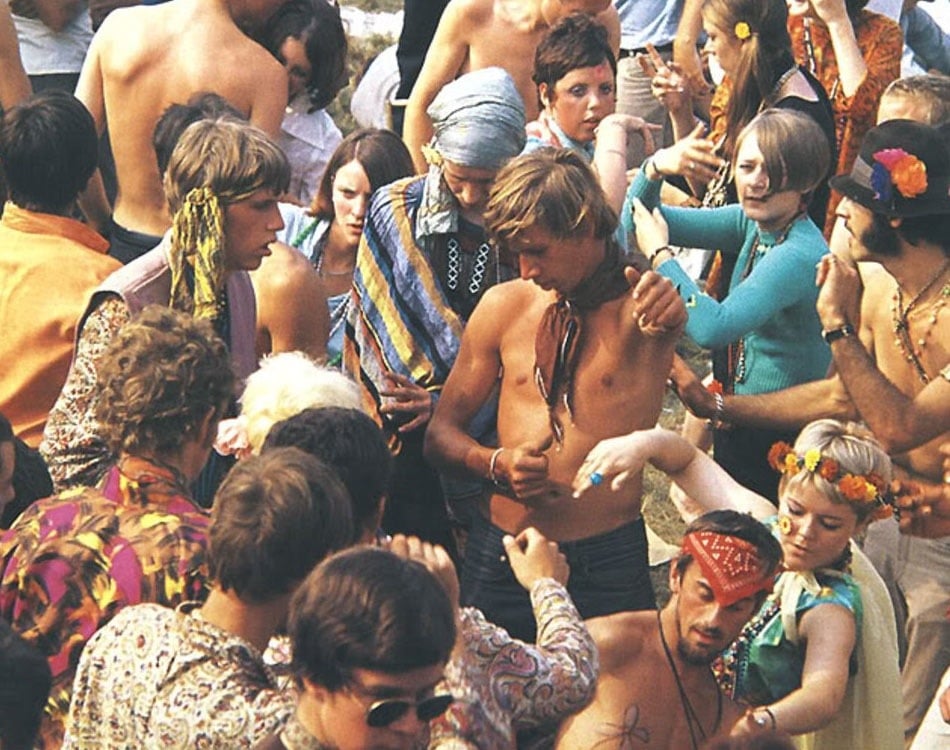
There were 3 main groups in the 1960s the Hippies that wore bright coloured clothing and also consumed a lot of weed. There were also the mods and the rockers that were rival gangs and the mods road scoters whereas the rockers rode motorbikes.
The contraceptive was introduced in 1960 which means that it was easy to prevent a pregnancy, however the first pills had too much of a certain hormone which meant that when someone wanted a bay it would have major defects such as no arms or legs.
Computers where also improved in the 1960s, also the internet was also kind of invented around the 60s. As well as this the first laser was invented in the 1960s
-beatles dominated music industry in 1960s
-drugs were being used a lot in the 1960s especially by the hippies.
-men were still dominate over other races and women
Avengers:
producer-ABC television
first ep: 7 january 1961
target audience: people below age of 35, mainly couples
seasons: 6
last ep: 21 may 1969
budget for series 4: 1,456,000
viewers:


Friday, 1 November 2019
TV Industries and Audiences
L/O: to research the history , companies and regulators in the TV industries
-Publicly Owned TV Channel
A TV channel that is funded by the government & license fees for the public. BBC
-Commercial TV Channel
A TV channel owned by privately owned corporate media funded by advertising
-Convergence
-Watershed
The time after which programmes that are regarded as unsuitable for children are broadcast on television. 9PM - 5:30AM in
the UK
-Segmented Market
Dividing a market of potential customers into groups so you can target the audience appropriately
-Mainstream
What is regarded as normal, mass audience
-Self-regulating
Able to broadcast anything without the use of third party bodies or industries
-Franchise
License from company if a product to use ideas
-Channel Surfing
Switching to different channels frequently
-PSB
Public Service Broadcasting: regulators demand channels fulfil certain requirements as part of their license to broadcast
-TV License
A payment required to watch TV. Funds the BBC
-Scheduling
Organising the broadcast of TV programmes on a channel
-Conglomerate
A company that owns several smaller businesses whose products are very similar
1. Television was introduced to the UK in 1936
2. in 1965 there was 2 channels in the UK, they were BBC1 and ITV
3. The channel ITV started in the UK on the 22nd September 1955
4. The channels that follow the Public Service Broadcasting remits or PSB are BBC, ITV, STV, UTV, Channel 4, Channel 5 and S4C
5. Ofcom regulates TV
6. In the 1960's the BBC was self-regulated however the ITV was regulated by the ITA
7. There is colour now, There is more tv shows and channels now, more households now have televisions.
-Publicly Owned TV Channel
A TV channel that is funded by the government & license fees for the public. BBC
-Commercial TV Channel
A TV channel owned by privately owned corporate media funded by advertising
-Convergence
When new technology makes old technology obsolete, joining lots of technologies into one.
The time after which programmes that are regarded as unsuitable for children are broadcast on television. 9PM - 5:30AM in
the UK
-Segmented Market
Dividing a market of potential customers into groups so you can target the audience appropriately
-Mainstream
What is regarded as normal, mass audience
-Self-regulating
Able to broadcast anything without the use of third party bodies or industries
-Franchise
License from company if a product to use ideas
-Channel Surfing
Switching to different channels frequently
-PSB
Public Service Broadcasting: regulators demand channels fulfil certain requirements as part of their license to broadcast
-TV License
A payment required to watch TV. Funds the BBC
-Scheduling
Organising the broadcast of TV programmes on a channel
-Conglomerate
A company that owns several smaller businesses whose products are very similar
1. Television was introduced to the UK in 1936
2. in 1965 there was 2 channels in the UK, they were BBC1 and ITV
3. The channel ITV started in the UK on the 22nd September 1955
4. The channels that follow the Public Service Broadcasting remits or PSB are BBC, ITV, STV, UTV, Channel 4, Channel 5 and S4C
5. Ofcom regulates TV
6. In the 1960's the BBC was self-regulated however the ITV was regulated by the ITA
7. There is colour now, There is more tv shows and channels now, more households now have televisions.
Subscribe to:
Posts (Atom)
-
 -PC Ryan Draper (Ashley Walters) He is one of the main character of the show, he is represented as a typical police officer in 2015. His jo...
